

FlickAI
Empowering older adults to get things done online with ease, through a task-focused conversational AI assistant.

OVERVIEW
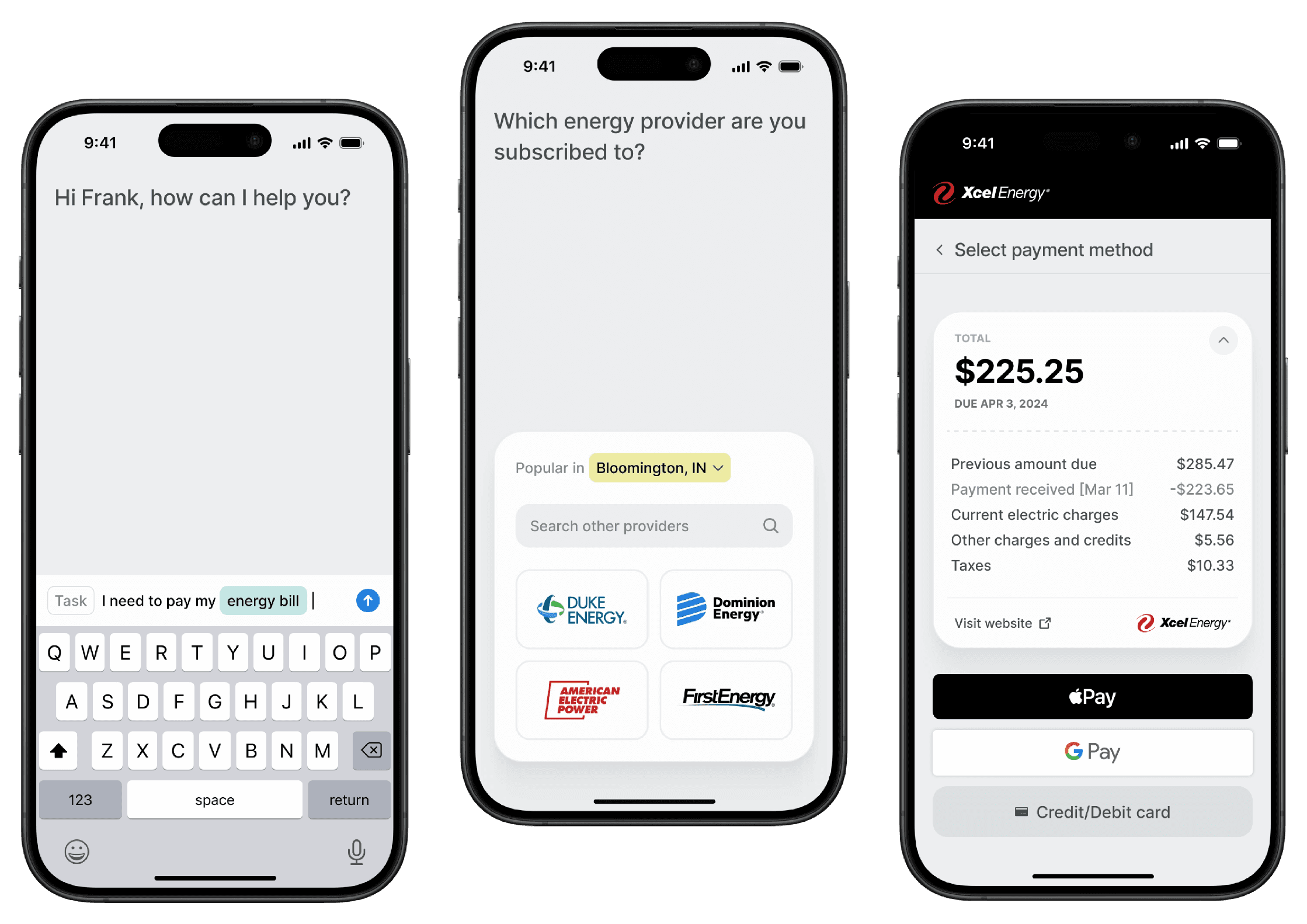
FlickAI is a conversational AI assistant designed to help older adults navigate digital services effortlessly. Instead of tapping through endless menus or deciphering complex interfaces, FlickAI generates step-wise interfaces to get the job done easily.
As more services move online, convenience grows for most, but confusion grows for older adults. FlickAI eases that burden through simple language, guided steps, and transparent AI.
Timeline
4 months
Team members
2 Product Designers; 1 Developer; and an AI Scientist
My contribution
I led the UX research and Explainable AI (XAI) interaction design that shaped how FlickAI explains itself, supports users, and turns complex tasks into calm, transparent steps.
The Impact
41% ⬆
Higher task-completion rates across digital tasks.
58% ⬇
Lower cognitive load while doing tasks online.
3.1x
Willingness to use AI due to explainable AI features.
THE PROBLEM
Older adults aren’t failing at technology, rather technology is failing them. Simple tasks turn confusing, frustration builds, and the digital world asks far more of them than it should.
SOLUTION
FlickAI reshapes digital interactions for older adults by turning their prompts into step-wise, focused interfaces, guiding them through each step, and explaining everything it does behind the scenes.
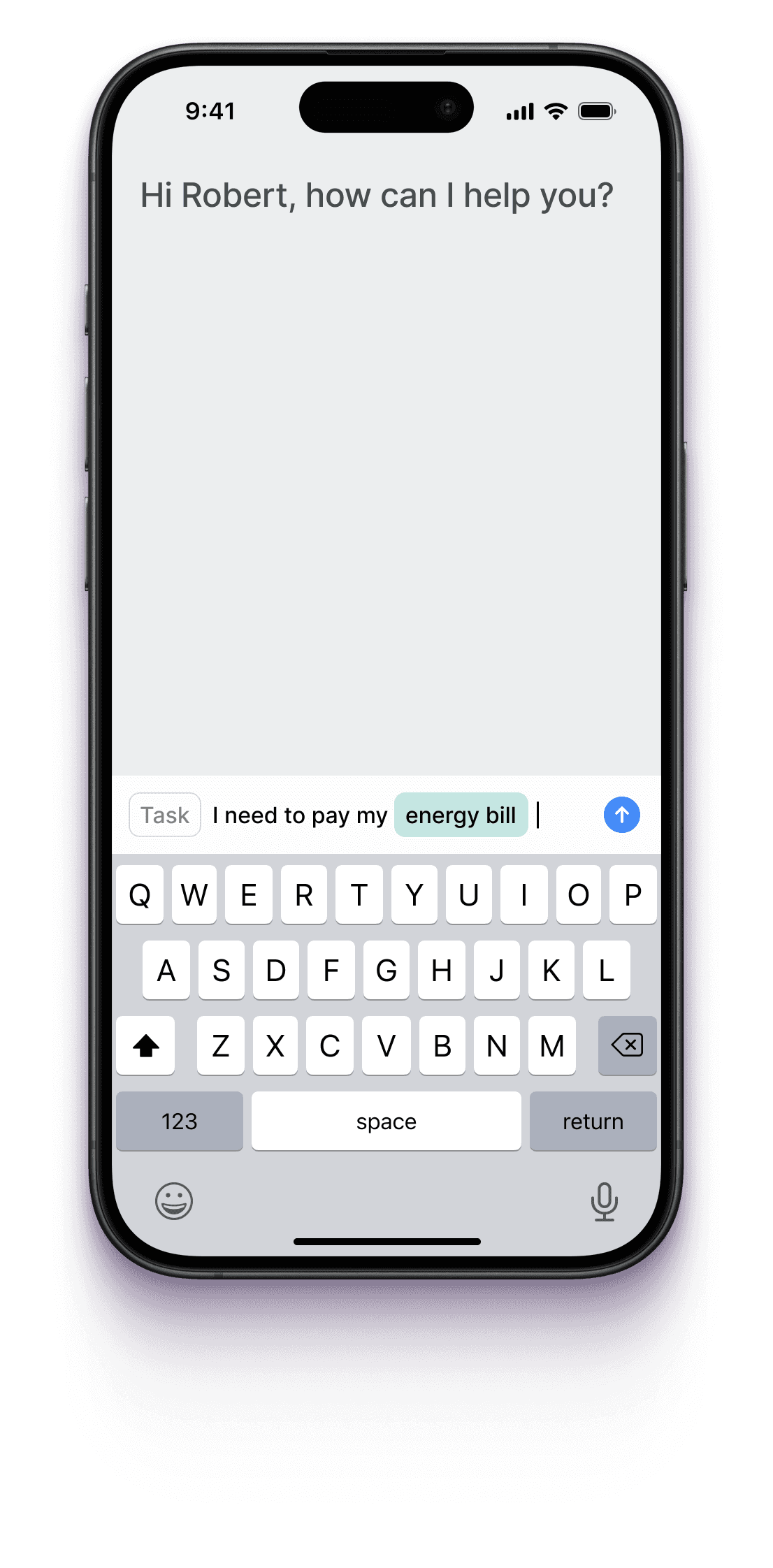
01 Natural Language Interface
FlickAI provides a conversational interface that understands user's everyday language and turns it into simple, guided tasks.
Natural Language Interface
FlickAI provides a conversational interface that understands user's everyday language and turns it into simple, guided tasks.

Natural Language Interface
FlickAI provides a conversational interface that understands user's everyday language and turns it into simple, guided tasks.
02 Explainable AI layer
A transparent reasoning model that reveals system intent, reducing uncertainty and reinforcing trust.
Login
Retrieve bill
Payment options
Confirm payment

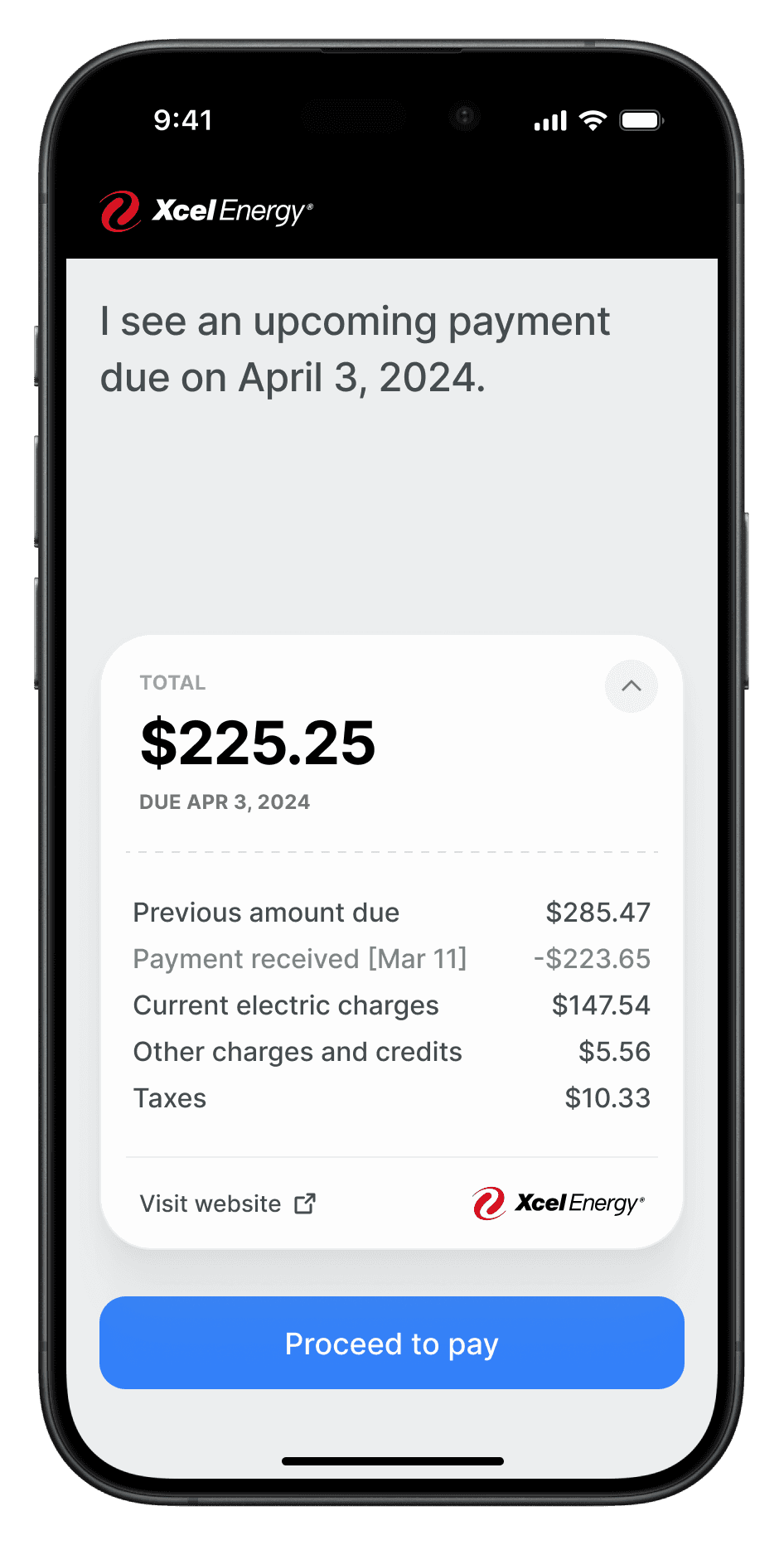
03 Guided Stepwise Flow
A linear, task-focused pathway that dissolves complexity into calm, sequential clarity.
Natural Language Interface
FlickAI provides a conversational interface that understands user's everyday language and turns it into simple, guided tasks.
Natural Language Interface
FlickAI provides a conversational interface that understands user's everyday language and turns it into simple, guided tasks.
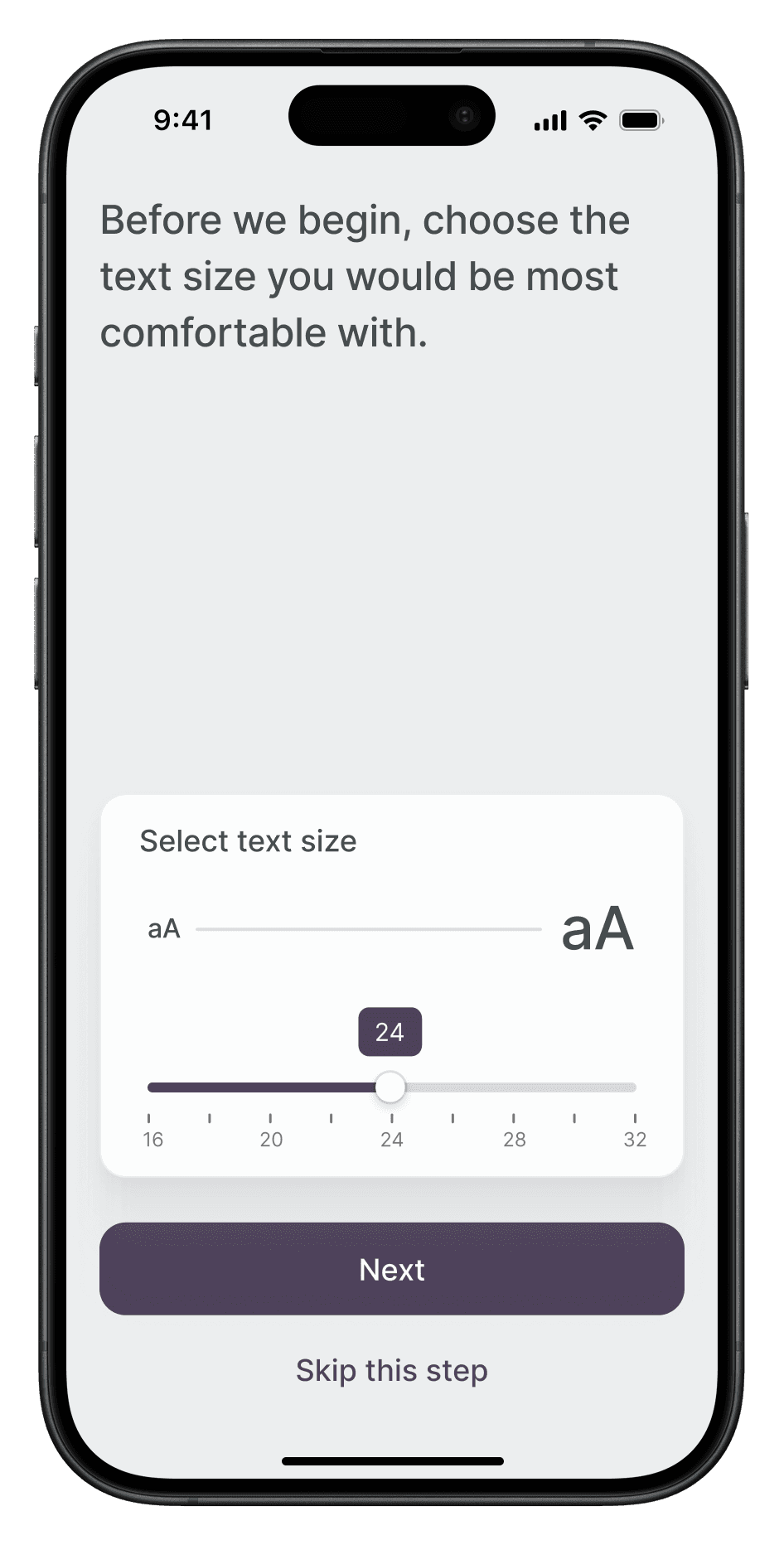
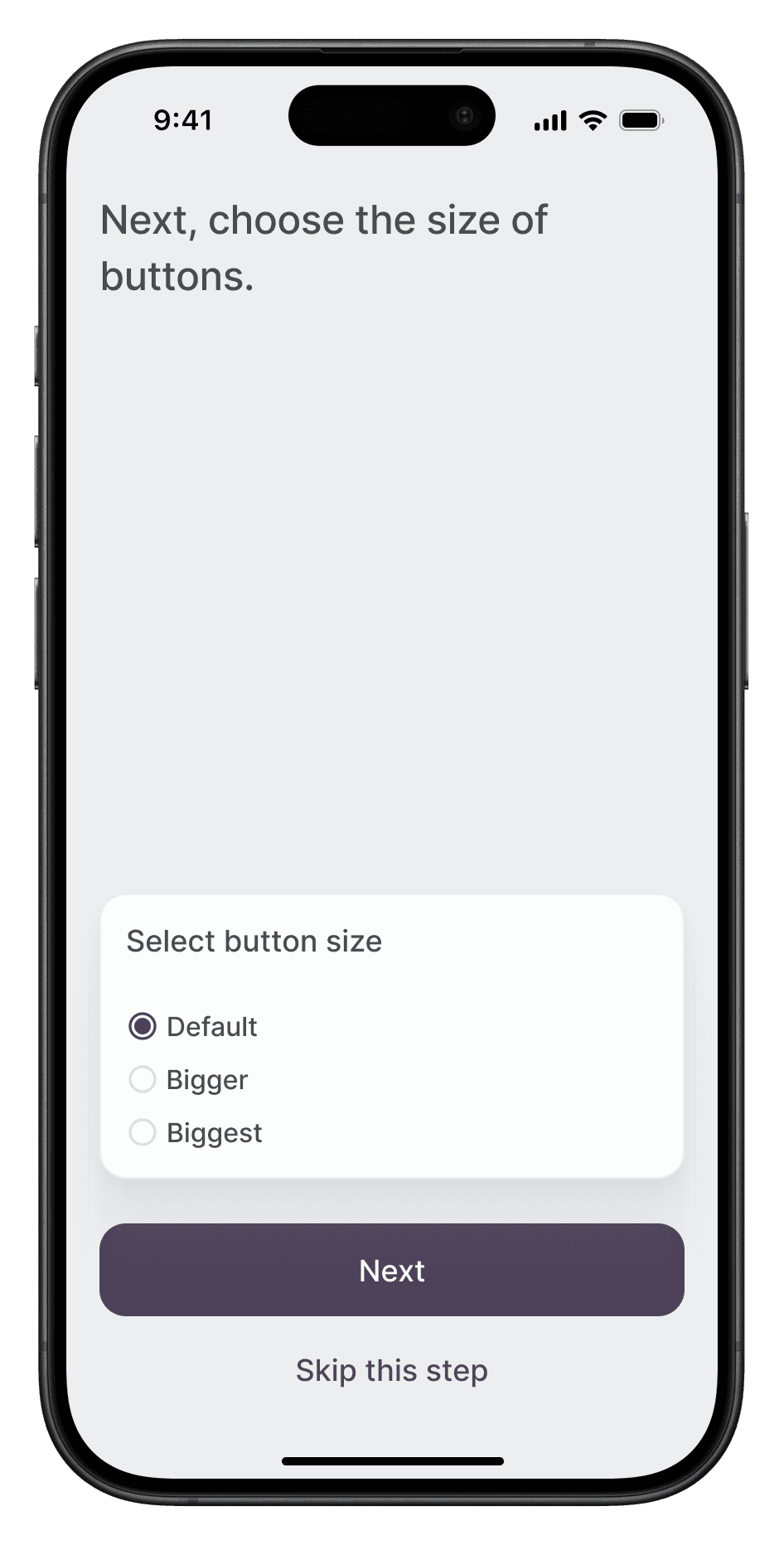
04 Customizable Accessibility
Users can adjust text, buttons, and chat-box sizing so the experience fits their comfort and needs.
RESEARCH
The exploration for FlickAI began at home, watching my parents and grandparents struggle through simple online tasks and often turning to me for help. I was glad to step in, but I wasn’t always there
Usability Testing with the "Think Aloud" method
The research began with usability testing sessions with the "Think Aloud" method, watching older adults attempt simple online tasks while narrating their thoughts. The pauses, the confusion, and the frustration, these moments made the problem impossible to ignore.
Task: Changing a residential address on a bank account.
To change their address, older adults had to hunt for the profile tab, read through dense menus, and choose between multiple address types. What takes younger users seconds took them five minutes, often filled with uncertainty about every step.
Natural Language Interface
FlickAI provides a conversational interface that understands user's everyday language and turns it into simple, guided tasks.
Secondary Research
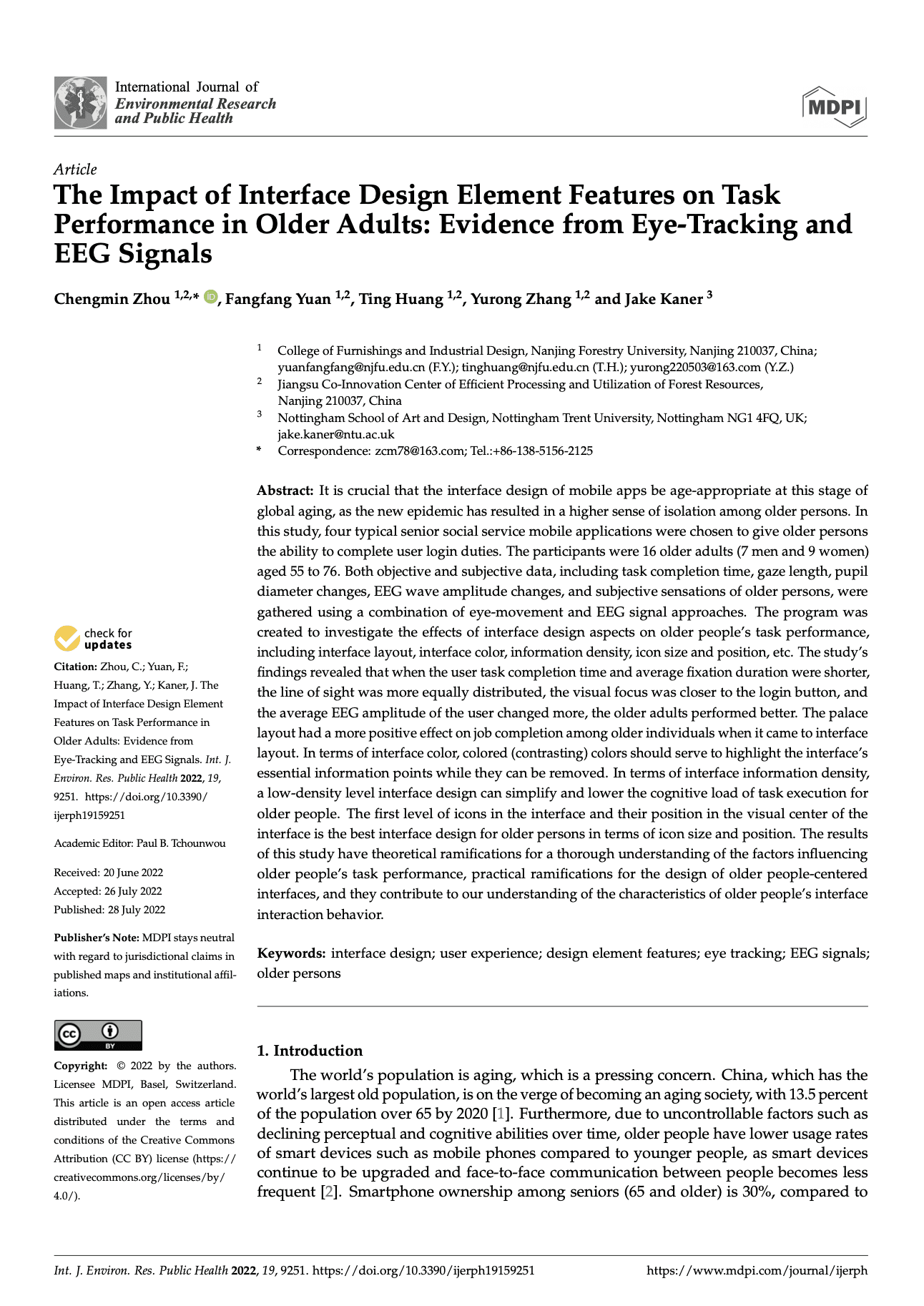
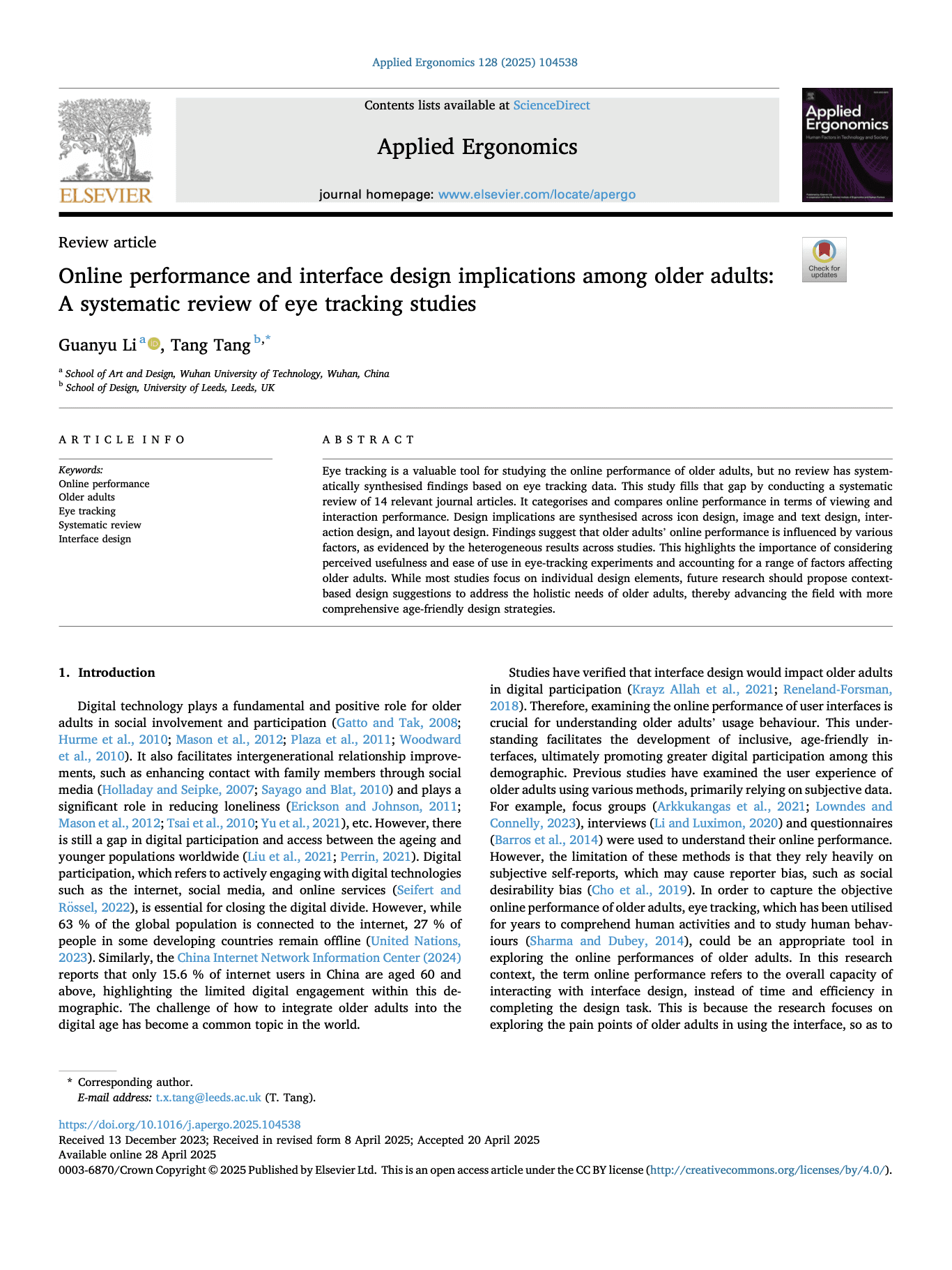
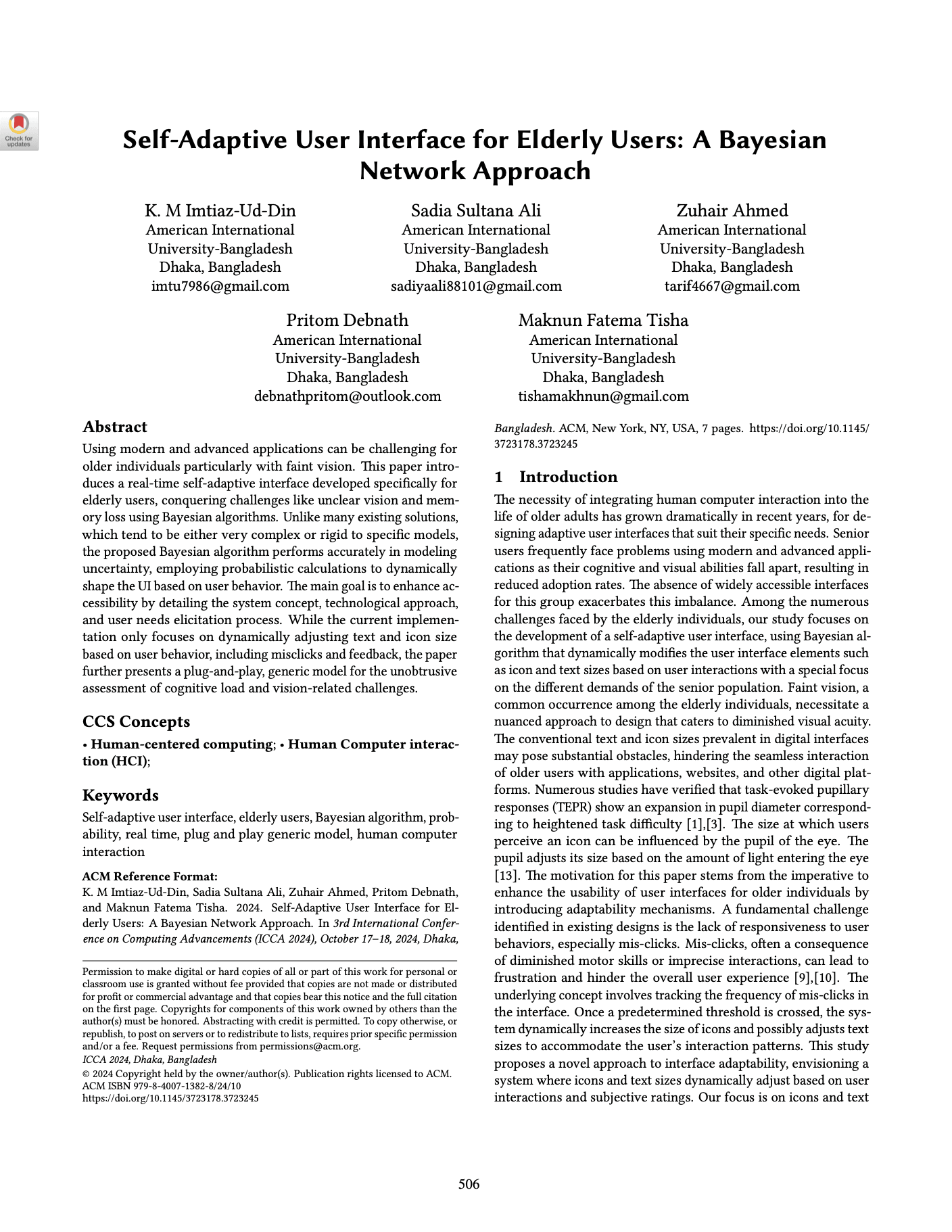
Usability testing was just the start. Study after study confirmed what I had seen firsthand - older adults weren’t struggling with technology, they were struggling with the increased cognitive load, complexity, and opacity built into its unintended design.
Natural Language Interface
FlickAI provides a conversational interface that understands user's everyday language and turns it into simple, guided tasks.
Looking across the findings, three themes rose to the surface, clarifying where digital design breaks down for older adults.
Cognitive Load
Older adults weren’t struggling with the tasks, but with dense, scattered, decision-heavy interfaces that overloaded their cognitive capacity.
Navigation Complexity
Essential tasks were buried in deep menus and inconsistent labels, causing users to lose their way and turn simple actions into long detours.
Invisible System Behavior
Unexplained interface changes left users hesitant, anxious, and afraid they’d done something wrong.
Competitive Market Research
The existing solutions lay in increasing digital literacy among older adults, supporting them through technical support hotlines and a few senior oriented devices that allows them to call, text, see pictures and videos, and browse the internet.
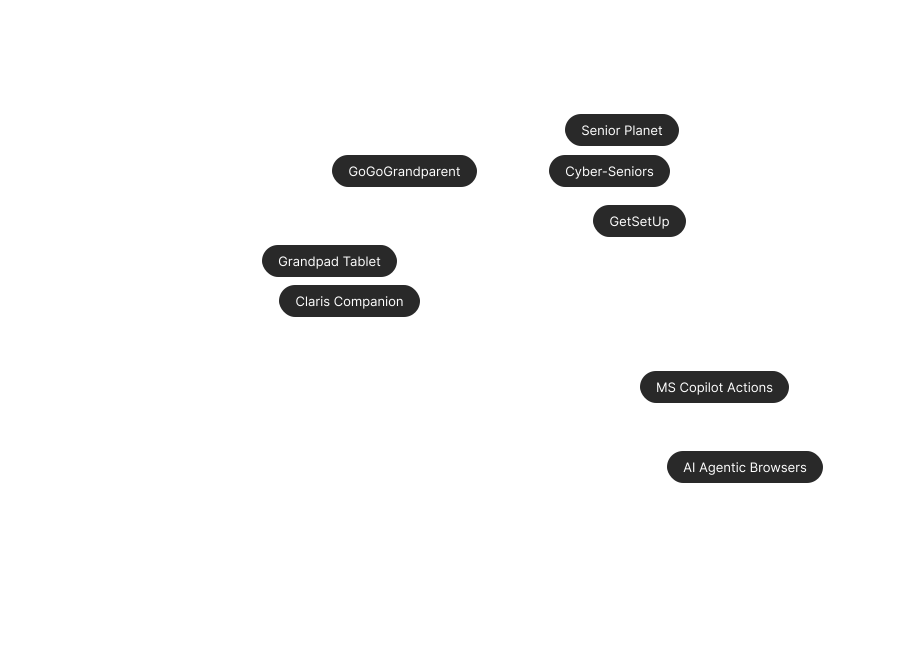
To evaluate the different solutions available, I plotted them on a graph of "Complexity of use" versus "External Dependency" (or Dependency on others to use the solution).
Tech Hotline Services
Services like GoGoGrandparent are less complex to use, but depend highly on the people providing these services (high external dependency-low complexity)
Digital Literacy Solutions
Solutions like Senior Planet, Cyber-Seniors, and GetSetUp rely heavily on human support and remain complex because older adults still need to learn how to use digital technology.
Senior Oriented Devices
Senior oriented devices like Grandpad Tablet and Chris Companion are easier to use and rank lower in external dependency, but they too require older adults to learn how to use these devices.
Existing AI Tools
AI tools like Microsoft Copilot and agentic browsers require little user dependency, yet are highly complex to monitor and control.
DESIGN PHILOSOPHY & GOALS
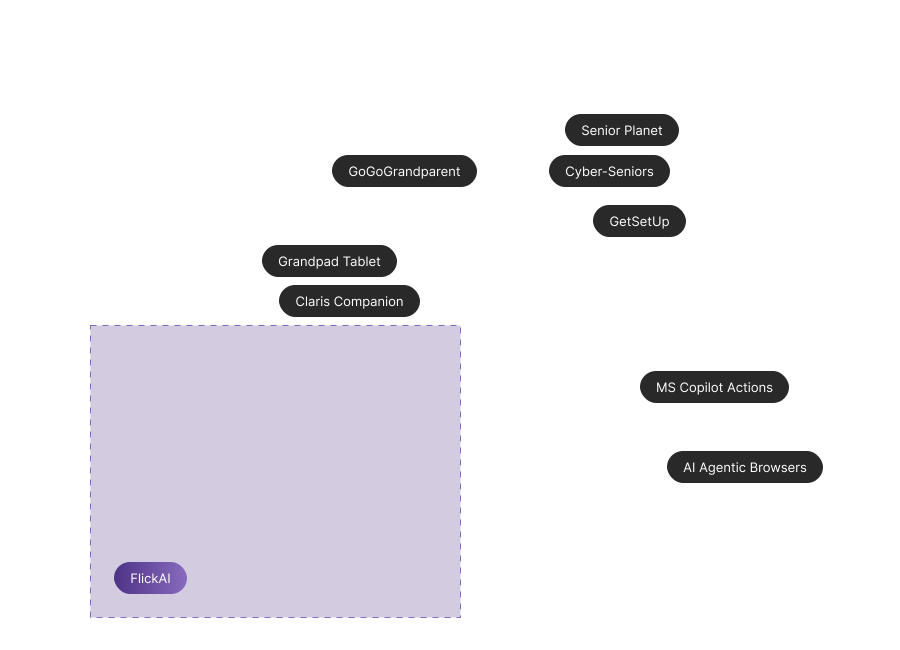
Looking across existing solutions, a pattern surfaced. The simplest tools required the most human help, while the most capable ones were complex to use and monitor.
Envisioning FlickAI as the "Least Complex, Independent" solution
Envisioning FlickAI as the least complex, most independent solution meant designing for a space no one else had claimed. It required removing the cognitive and navigational burdens older adults faced, while avoiding the heavy human dependency common in existing tools.
Design Goals
Secondary research and competitive analysis proved essential in shaping the design goals for FlickAI, revealing exactly where the experience needed to simplify, clarify, and support older adults the most.
Minimize Cognitive Load
Reduce cognitive load through micro-stepped tasks, predictable patterns, and single-action decisions.The interface thinks more so the user thinks less.
Eliminate Navigation Barriers
Remove navigation hurdles by letting users say what they want instead of searching through menus.
Make AI-driven actions Transparent & Explainable
Expose system intent, progress, and reasoning. No silent state changes. No ambiguity. No guessing on what is going to happen.
Personalize the Interface to the User
It’s not enough for AI to be technically sound, users need simple, contextual explanations that fit their mental model and role.
Preserve User Agency
Never override, never assume. The system guides, but the user stays in control. Independence is the end goal, not automation.
FLICKAI: FROM INTENT TO ACTION IN SECONDS
With the design goals in place, FlickAI comes together as a system built to reduce effort, increase clarity, and help older adults move from request to result with ease.
LEARNINGS
Designing FlickAI pushed me to rethink how older adults build trust, how they interpret system behavior, and what true independence looks like for older adults using digital devices.
Guidance works better than automation
Users wanted help, not hand-off. They preferred stepwise support over fully automated actions, reinforcing how important it is to design AI that collaborates rather than takes over.
Explainability must match the user’s mental model
Older adults don’t need technical breakdowns; they need short, contextual explanations that connect with what they already understand. Explainable AI (XAI) became less about transparency and more about translation.
Accessibility Creates Comfort and Control
For older adults, accessibility is not only about comfort, it’s also about agency. Personalization must come before the core experience, not buried inside it.
Every design choice carries emotional weight
Designing for older adults requires careful choices; what feels like a minor inconvenience to younger users can trigger anxiety, fear of mistakes, or a sense of dependence.